and art-agenda editorial is now e-flux Criticism

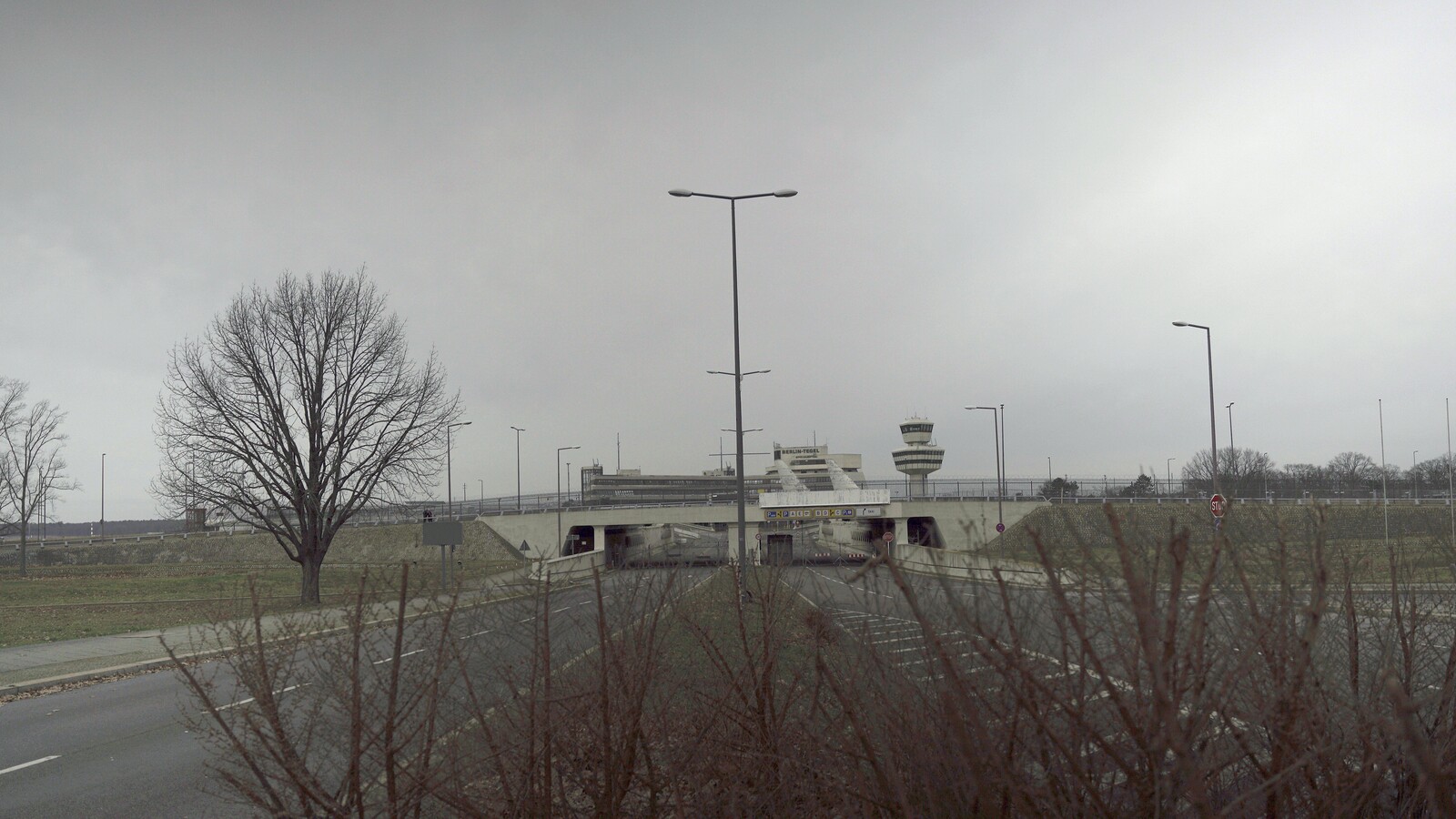
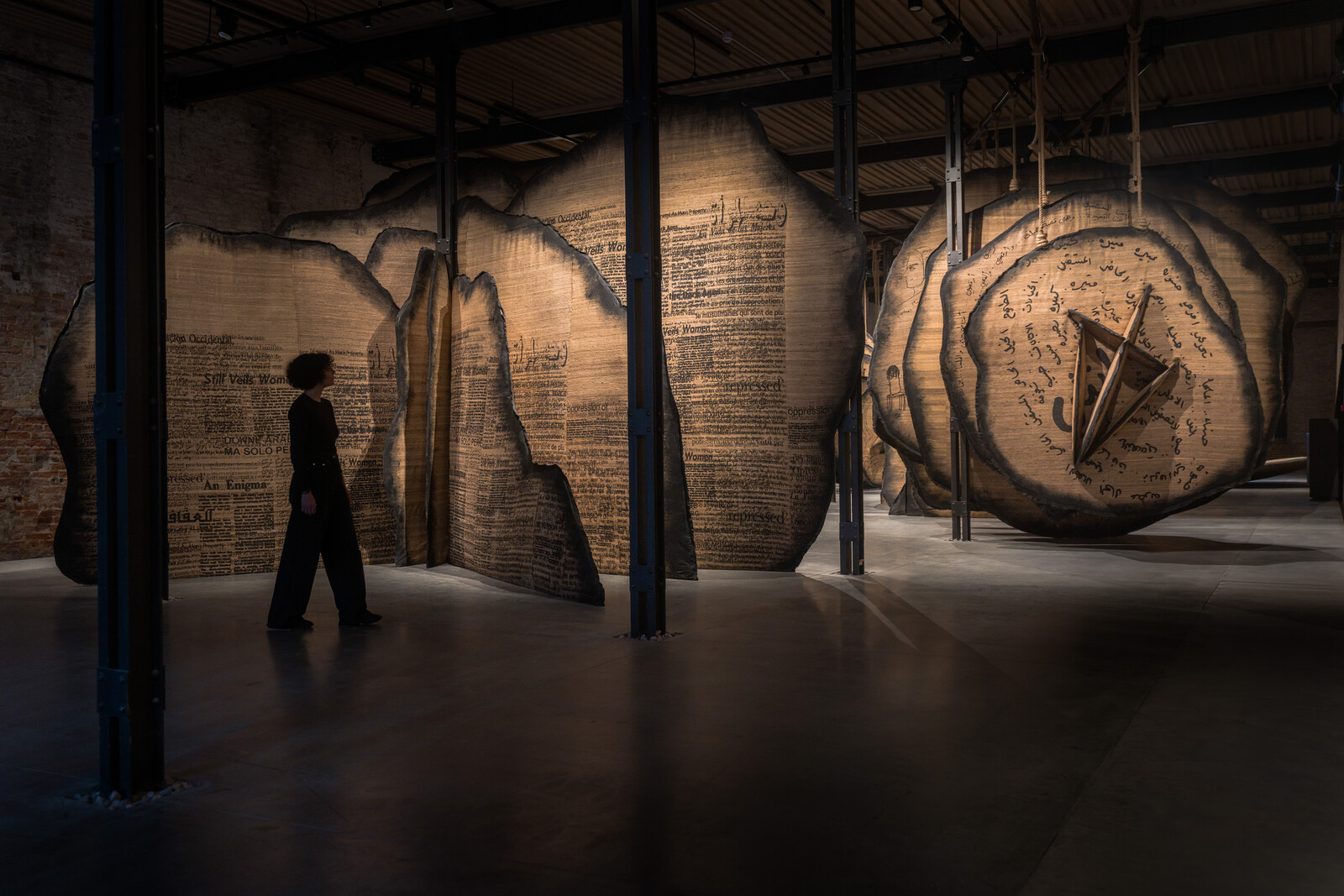

STAGING THE PLANETARY INTERREGNUM



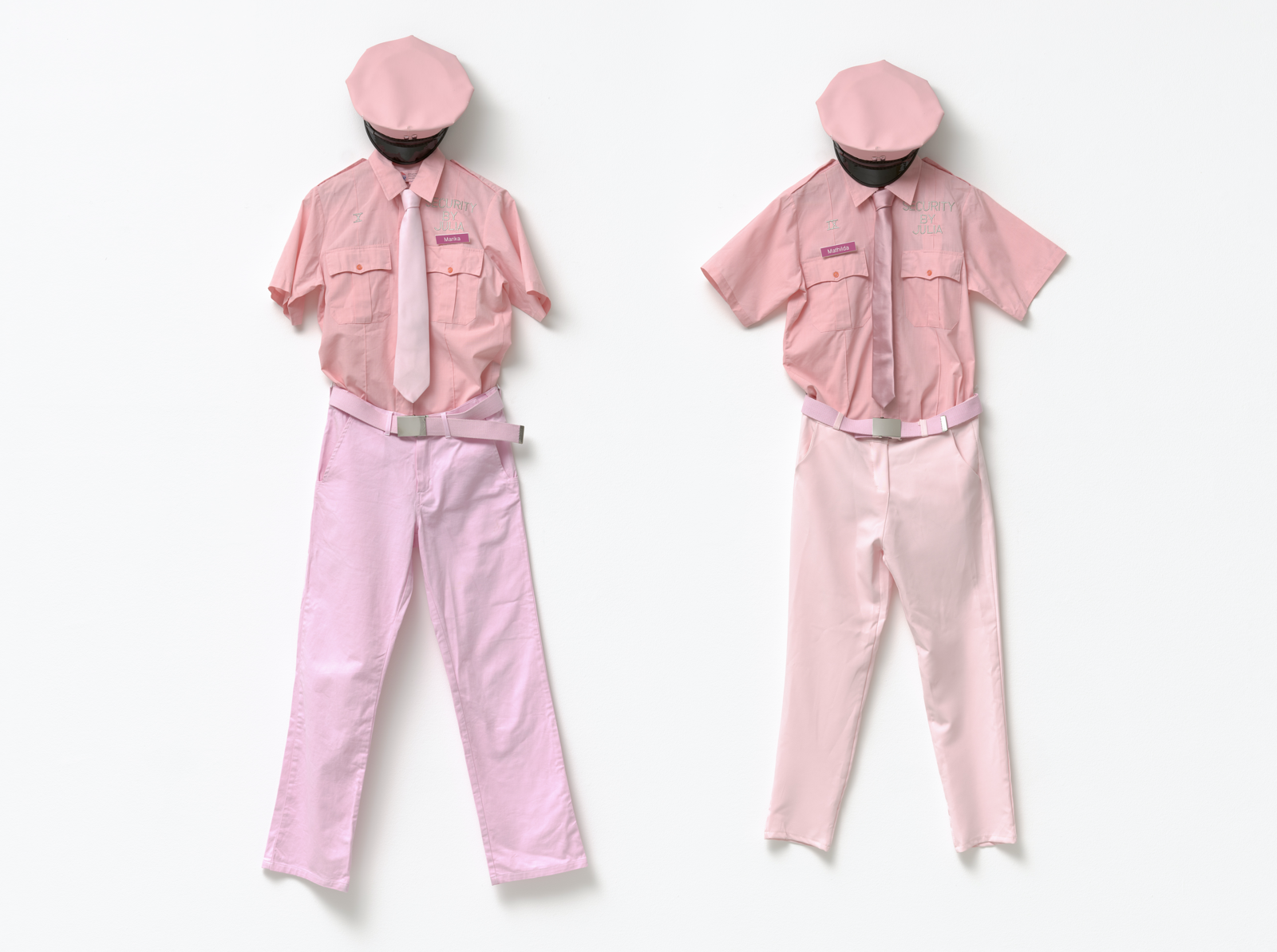
Organized by Veronica Roberts, “Day Jobs” gathers some thirty-nine artists working in the United States between World War II and the present day, including some blockbuster stars whose career trajectories were part of their mythologies, like Andy Warhol (commercial illustrator and window display designer for Bonwit Teller) and Jeff Koons (commodities broker, Wall Street).
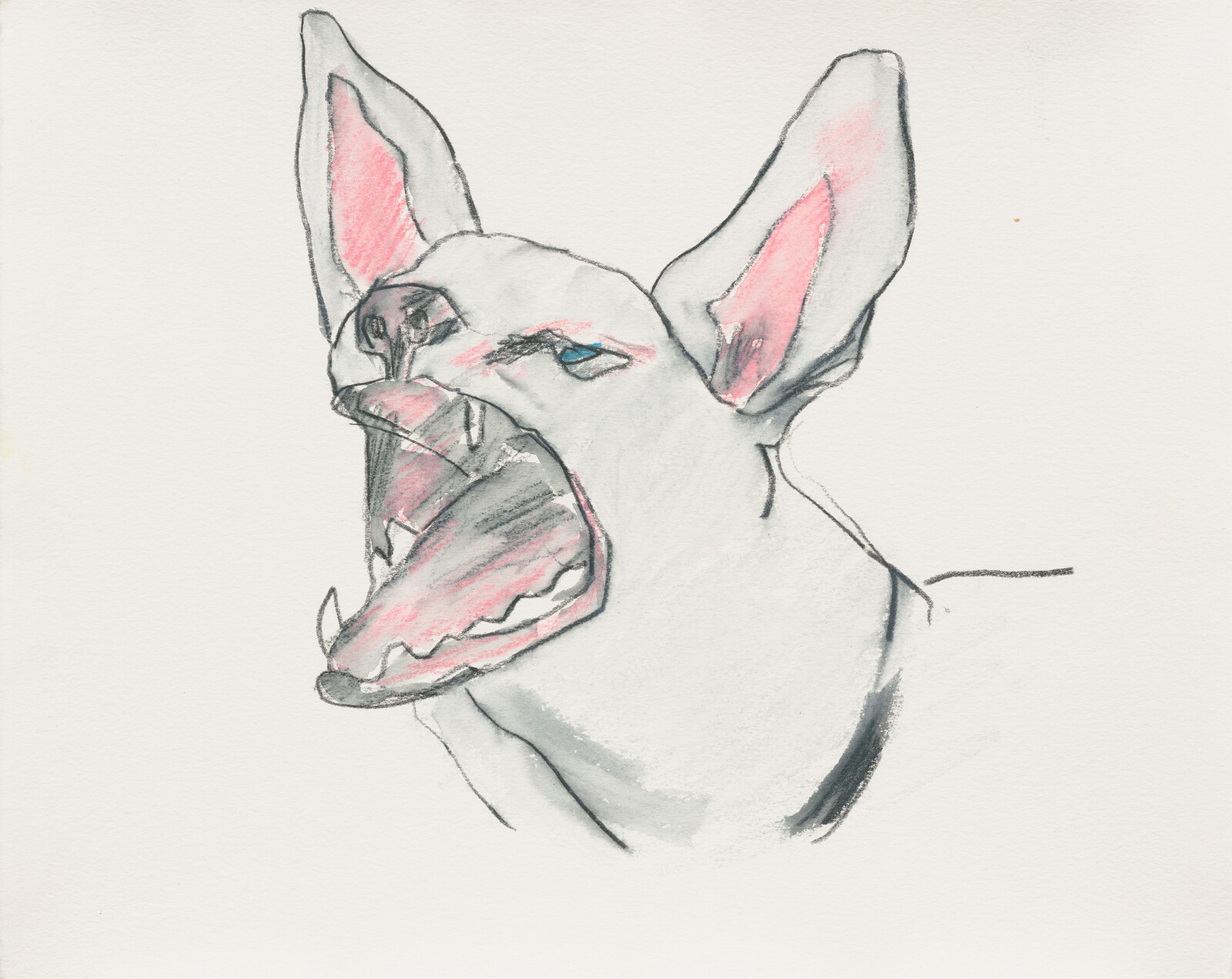
Arranged into families following a meticulous taxonomic logic, the almost 300 drawings presented at Drawing Center reveal the extraordinary bestiary that Joan Jonas has been compiling over five decades. Jonas has a unique capacity to traverse artistic fields, but what is illuminated by this exhibition is how drawing runs through, across, and within every means of her expression.
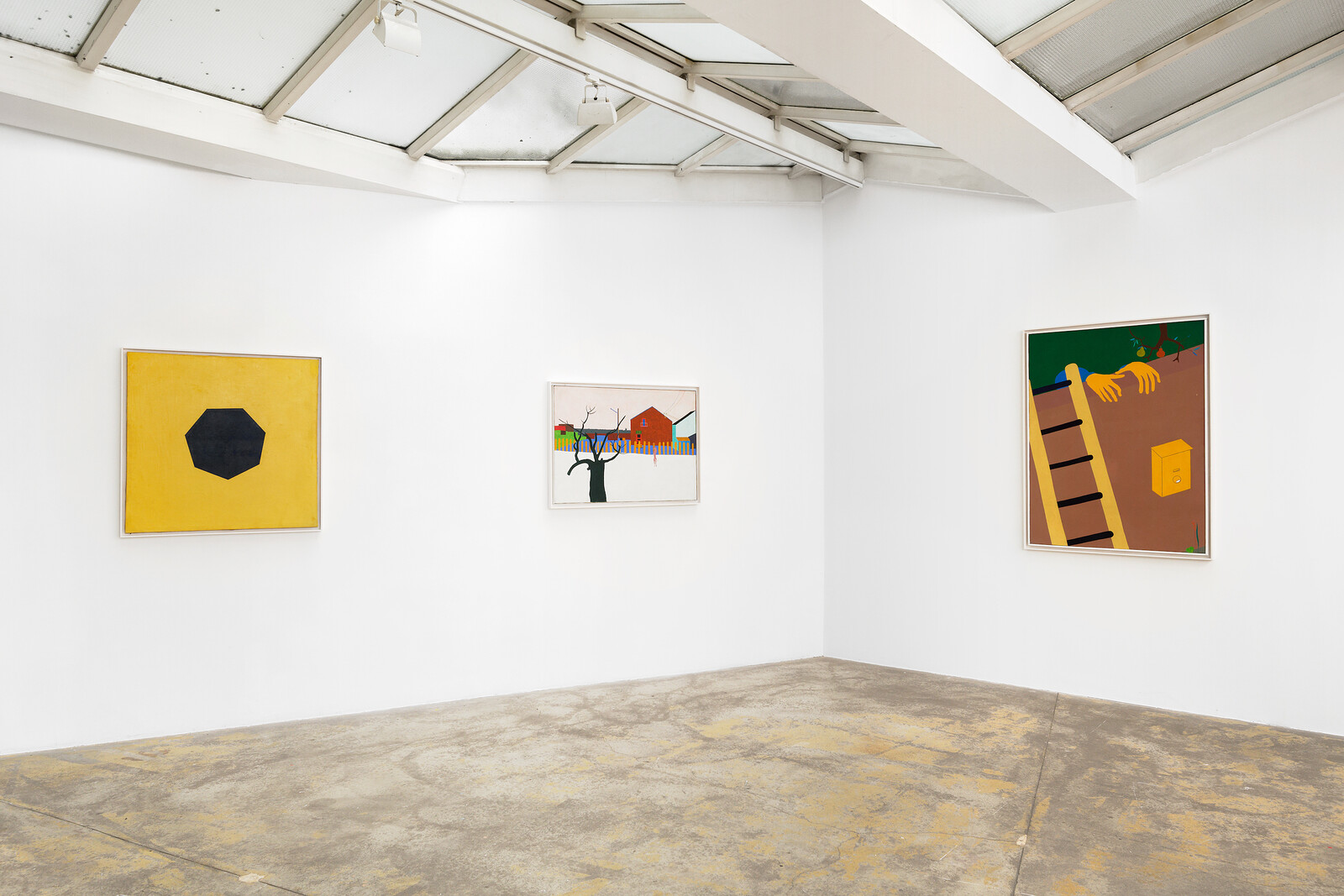
Having survived first the Holocaust and then three years’ conscription in the Red Army, the Jewish-Polish painter Emanuel Proweller later said of his identity that it felt like “a jacket with a reversible lining.” The same analogy might be applied to Proweller’s paintings which, though unmistakably his own, routinely dress up in the various styles the artist encountered after moving to Paris at the end of the 1940s.
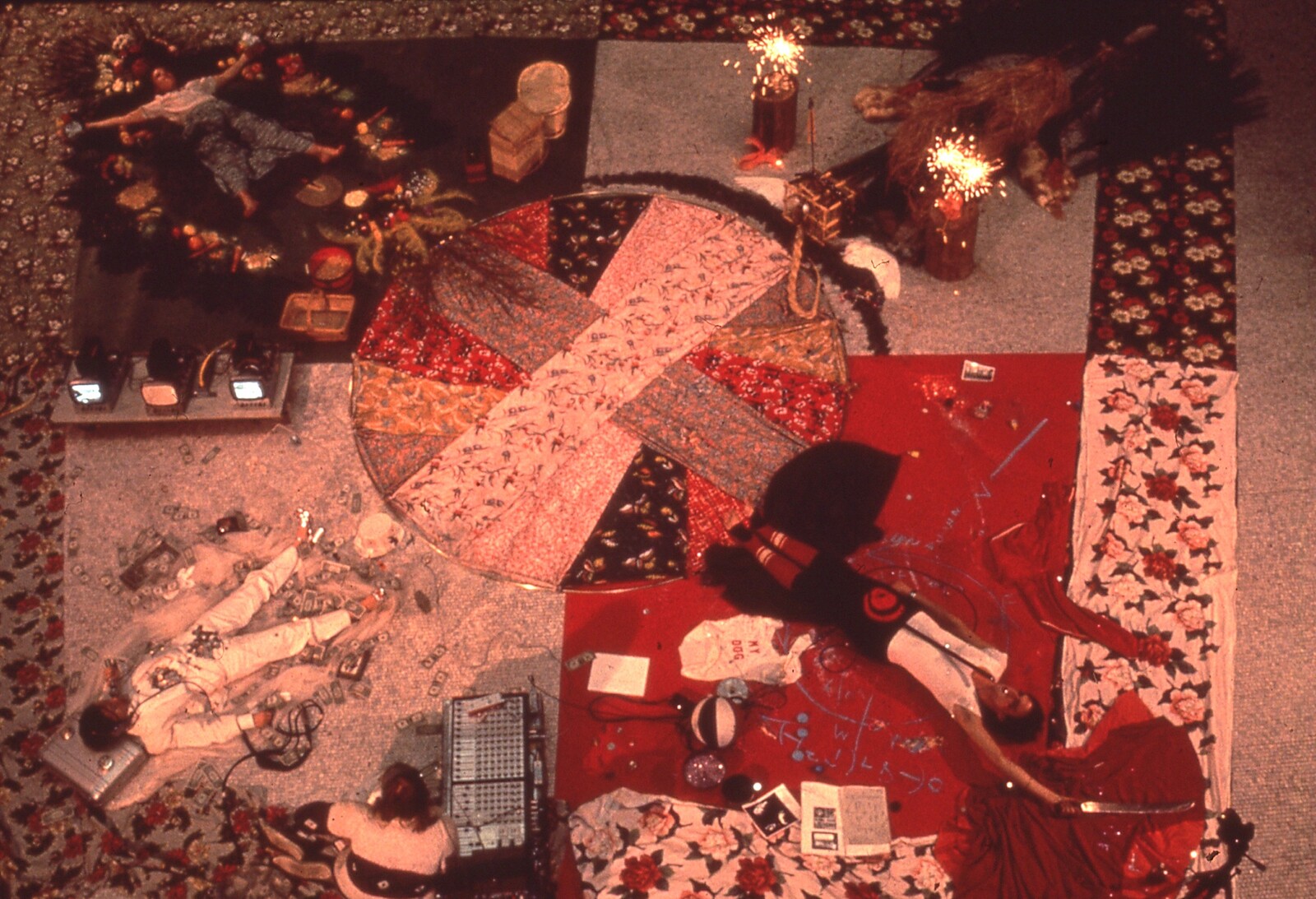
Girouard’s difficult-to-classify performance work—she remains best known for her collaboration with Carol Goodden and Gordon Matta-Clark on the restaurant-cum-happening FOOD—transpired primarily in downtown New York in the 1970s, and until recently almost none of it trickled down to the Bayou, an unfortunate fact given how prominently the region figured in her own artistic mythology.
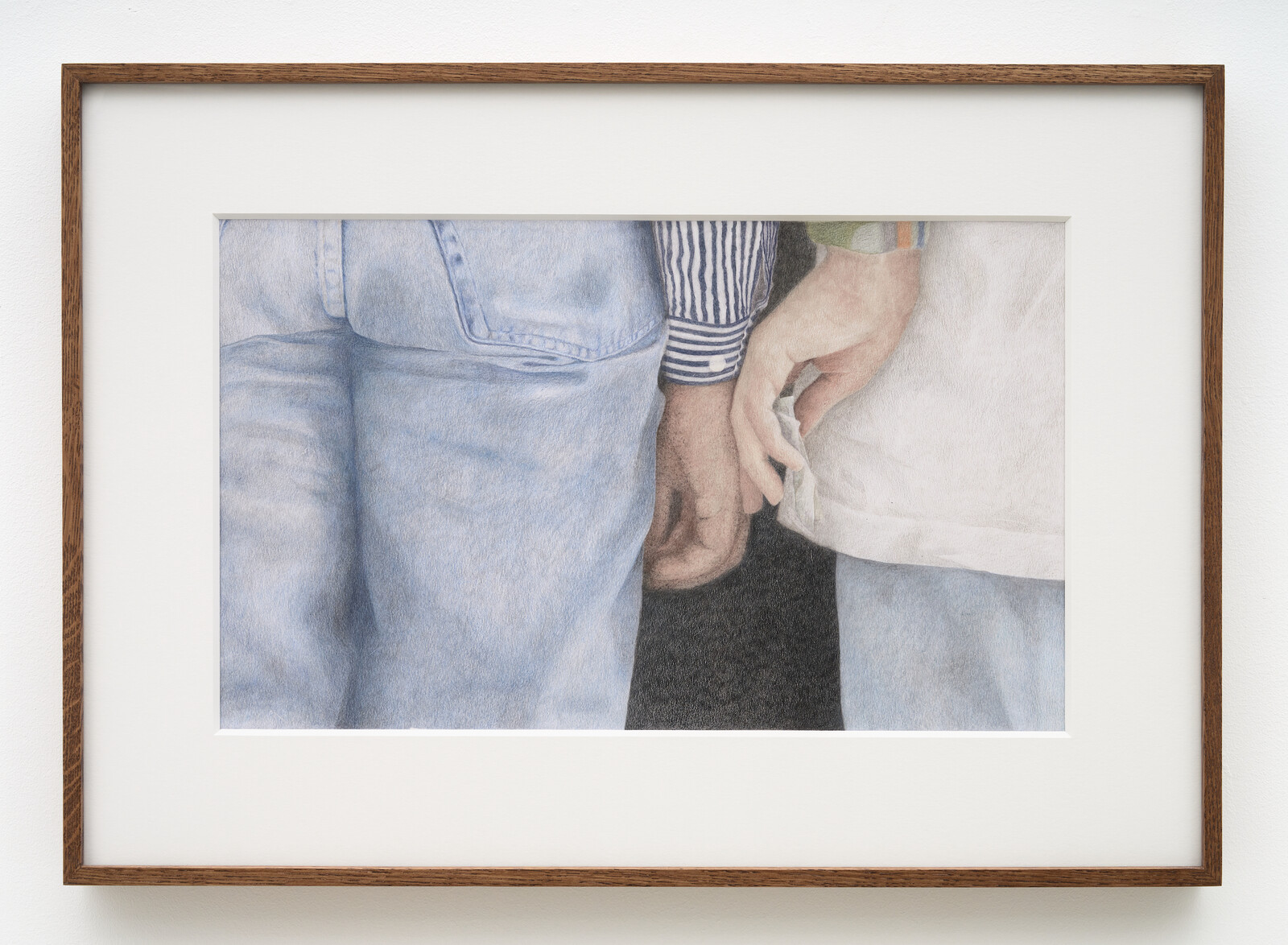
The critique in London-based artist Eva Gold’s first US solo exhibition is spare and subtle. Consisting of six works on paper and two sculptural installations, the show conveys, in meticulous details and material choices, a message about the coercive economic power embedded in everyday cultural transactions.
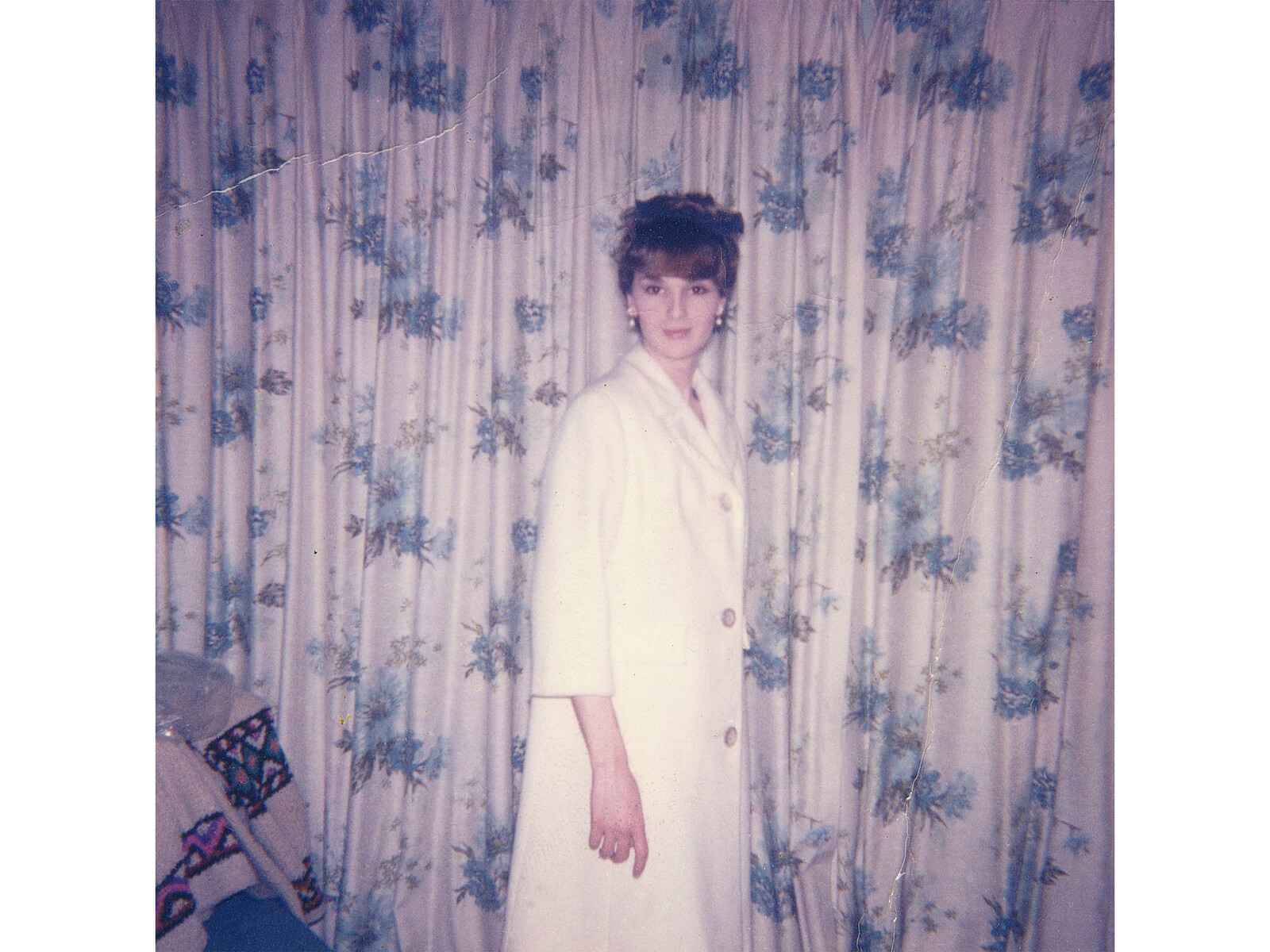
The fable of her life can slip too easily into the figure of the tragic transsexual, doomed from the start. The cis world can then go on, complacent as ever, consigning her to the freakshow of cautionary tales. Candy had it right when she hinted at American sex as a failed product, and one that probably doesn’t work too well for anyone. The public, visible trans woman provokes an anxiety about the sexed body in general.
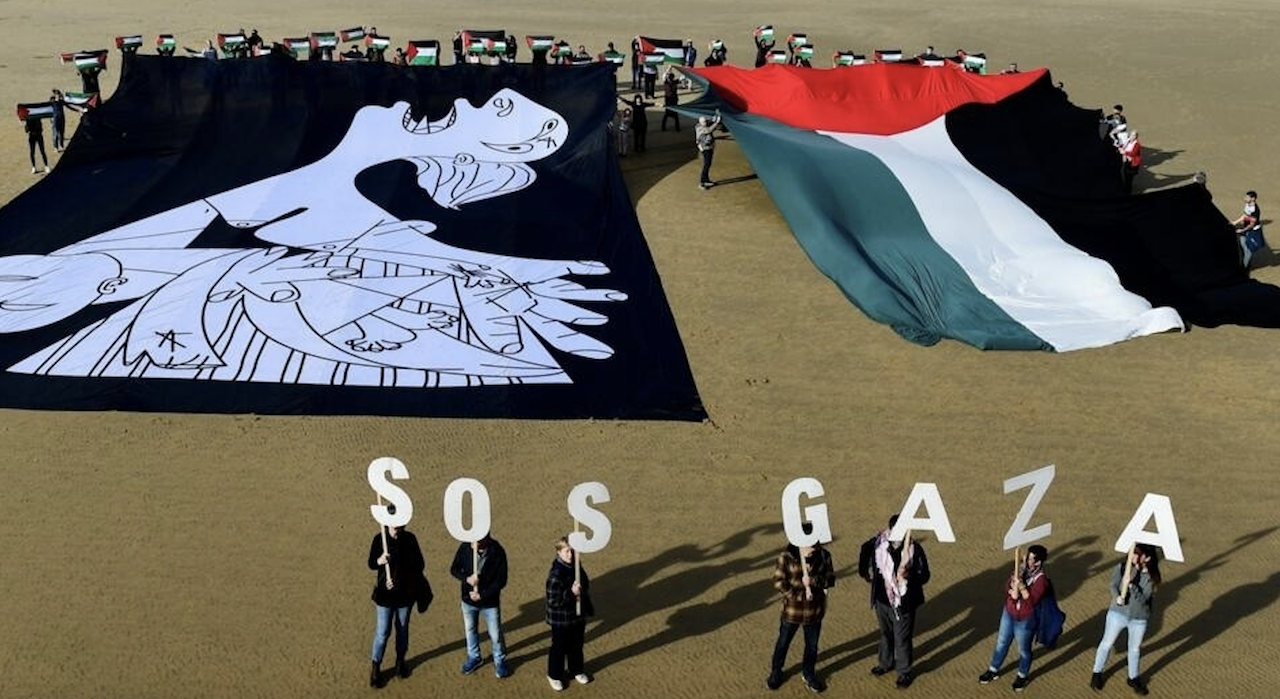
The most surprising thing about the raft of recent petitions against the infrastructural biases underpinning the commercial and institutional art worlds might be that anyone can claim to have been surprised. If responses to wider domestic and international crises—ranging from the rise of the far right to the decimation of Gaza—have shone fresh light on the misalignment of the rhetoric in what is called “contemporary art” from the social and economic systems that maintain it, then that disjunction is hardly new.
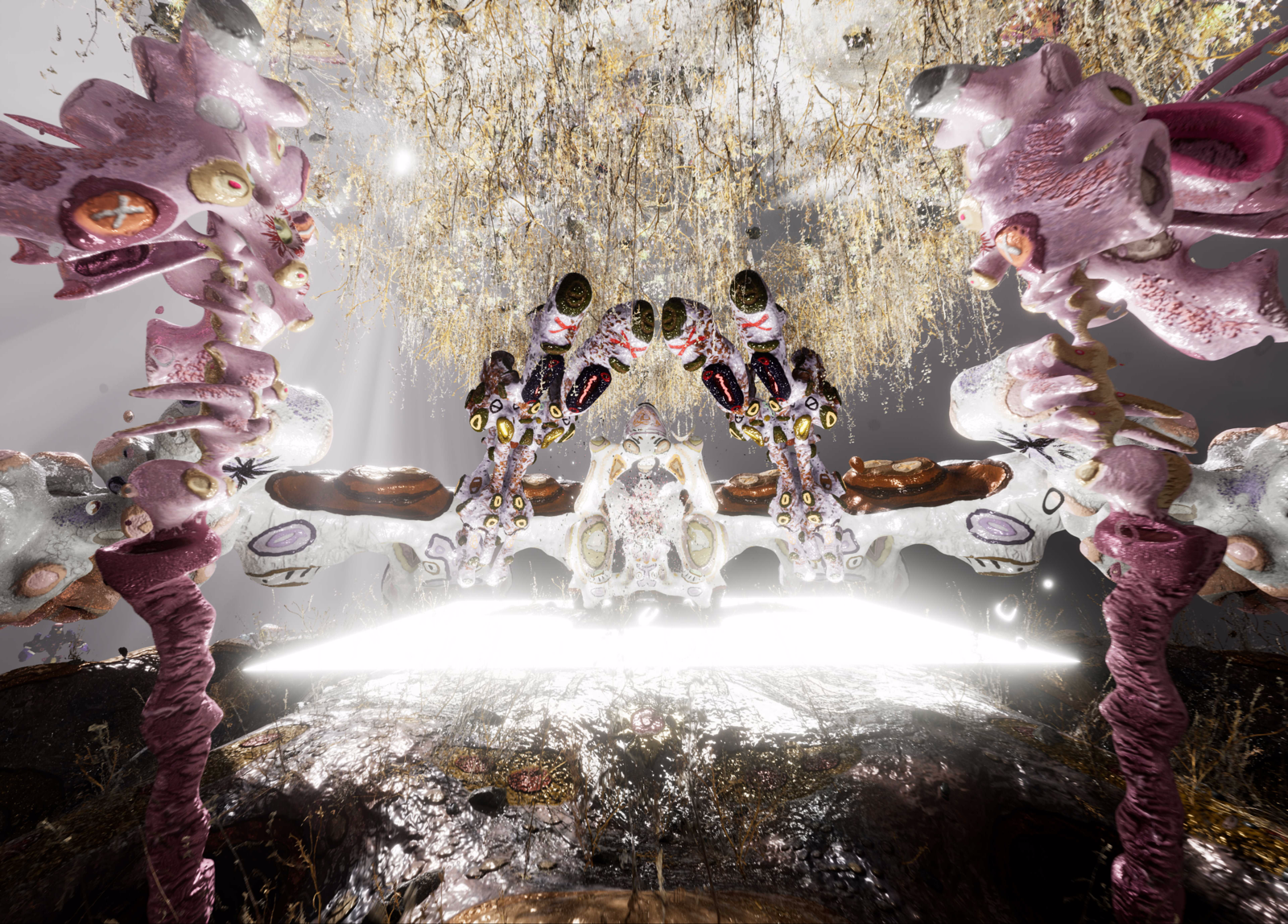
Are our horizons now so narrow that an algorithm’s ability to generate a derivative image is really more consciousness-expanding than such longstanding preoccupations of art as, say, spiritual experience or the close observation of nature? Or might the title’s appeal to something “better” serve to distract us from the already complicated and unarguably “real” events playing out beyond the walls of the museum?
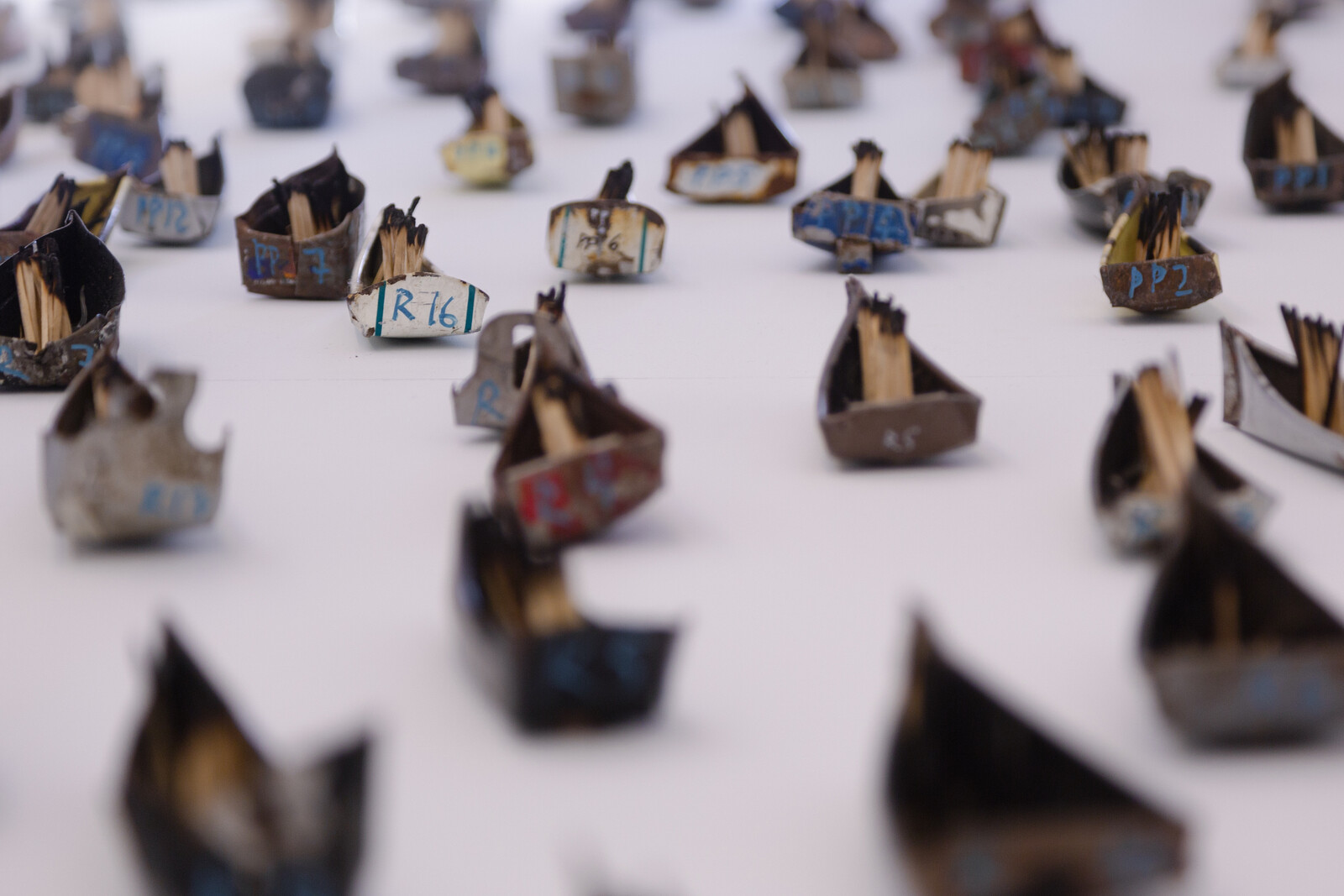
These twinned exhibitions span Issam Kourbaj’s responses to the civil war that has carried on in his home country since the uprising against Bashar al-Assad in March 2011, expanding to consider related conflicts in the Middle East and the broader plight of refugees. Trained in Damascus, Leningrad, and London, Kourbaj moved to Cambridge in 1990 and has over the past thirteen years harnessed metaphor’s literal Greek meaning—“to carry across”—to the archival impulse to catalogue and connect.


STAGING THE PLANETARY INTERREGNUM

Nail Salon












Cosmic Dust
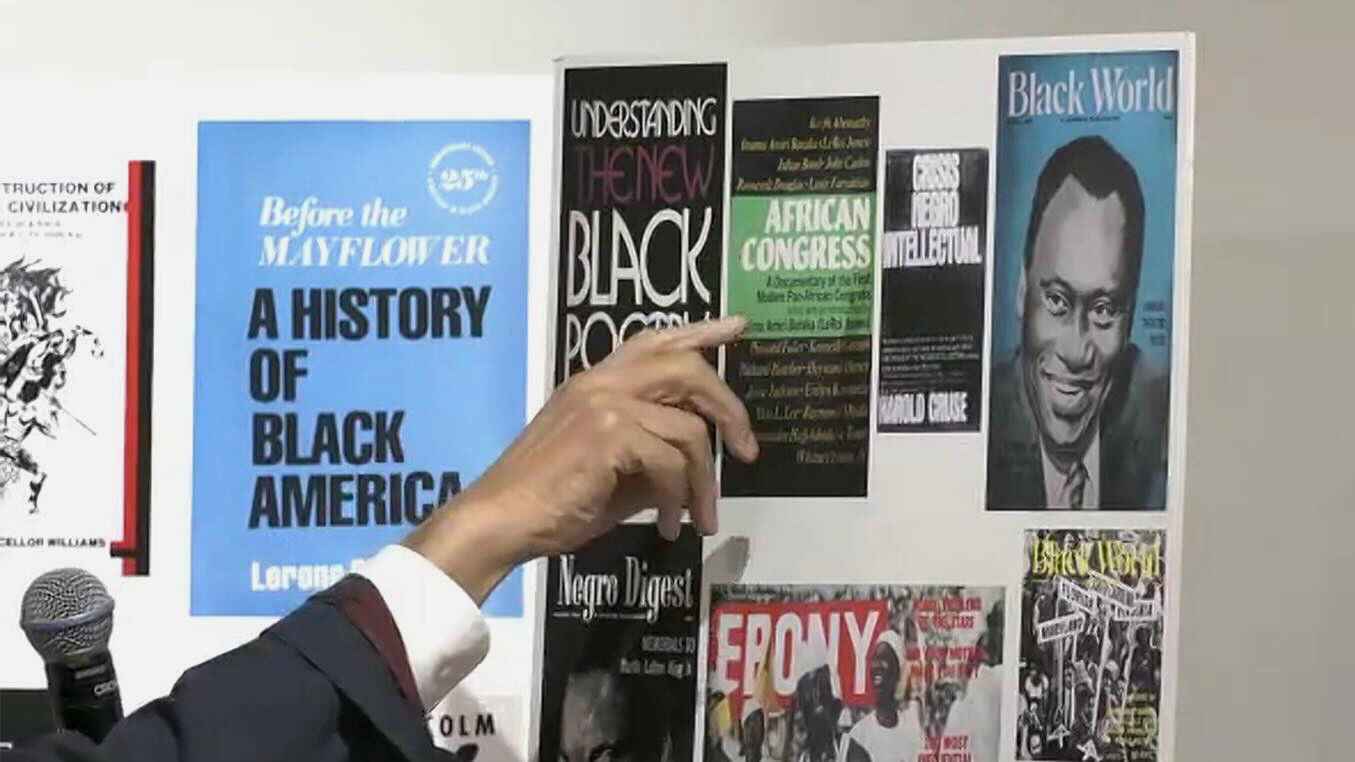
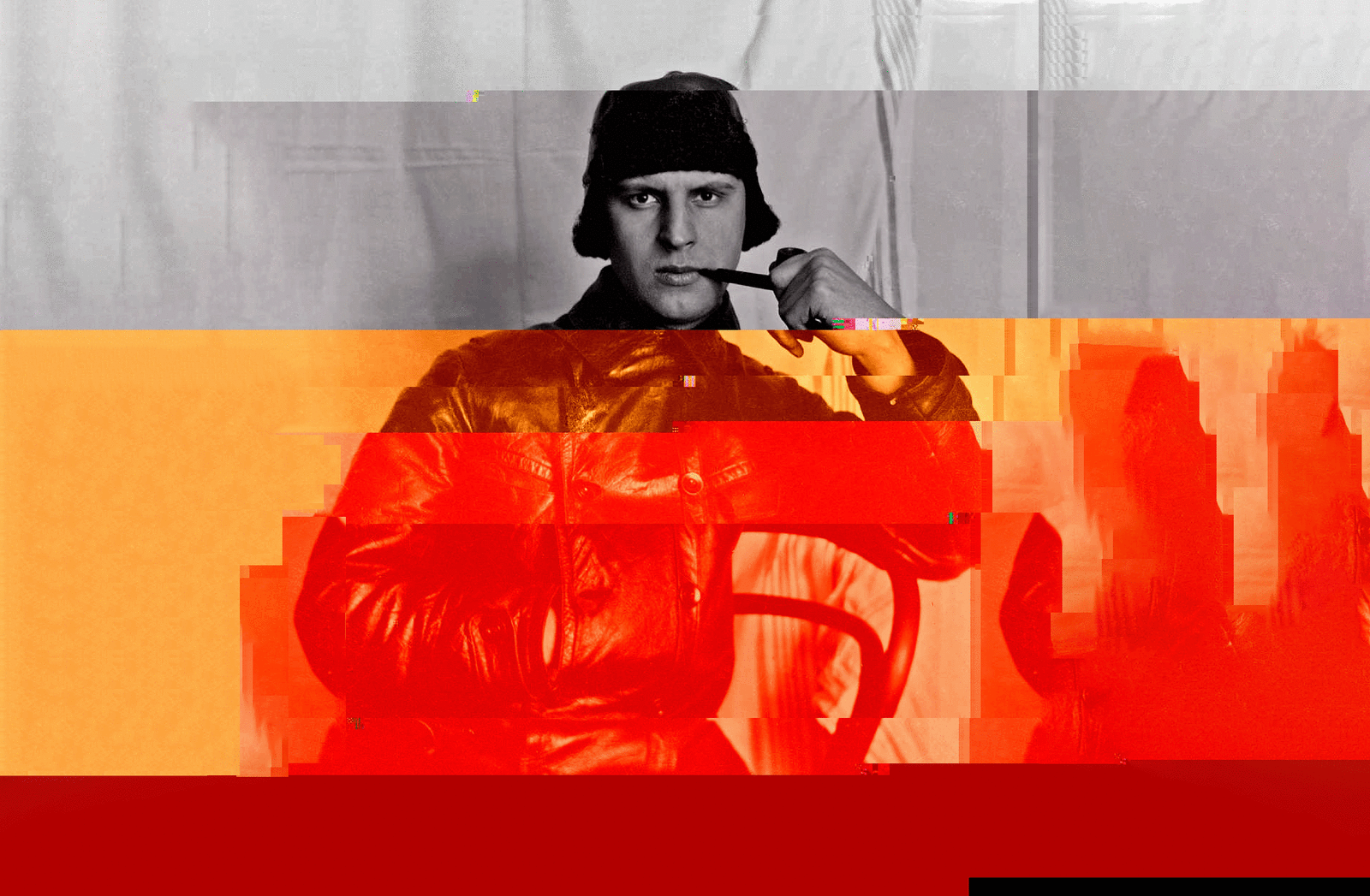
The history of avant-garde museology begins after the October Revolution, when the Russian champions of new art proposed the establishment of a network of Museums of Artistic Culture. Not much later, a group of New-York-based modernists and Dadaists started the Société Anonyme, a collective that sought to establish the first American museum of modern art. The successive chapters of this story were written by the Russian Constructivist El Lissitzky, who designed the Kabinett der Abstrakten at the Hanover Provinzialmuseum, and by the avant-garde a.r. group, whose efforts began the International Collection of Modern Art at the Łódź museum now known as the Muzeum Sztuki.